Wingman
The skill fighter pilots learn because hesitation kills.
Indecision isn’t neutral.
It’s a decision you didn’t choose.
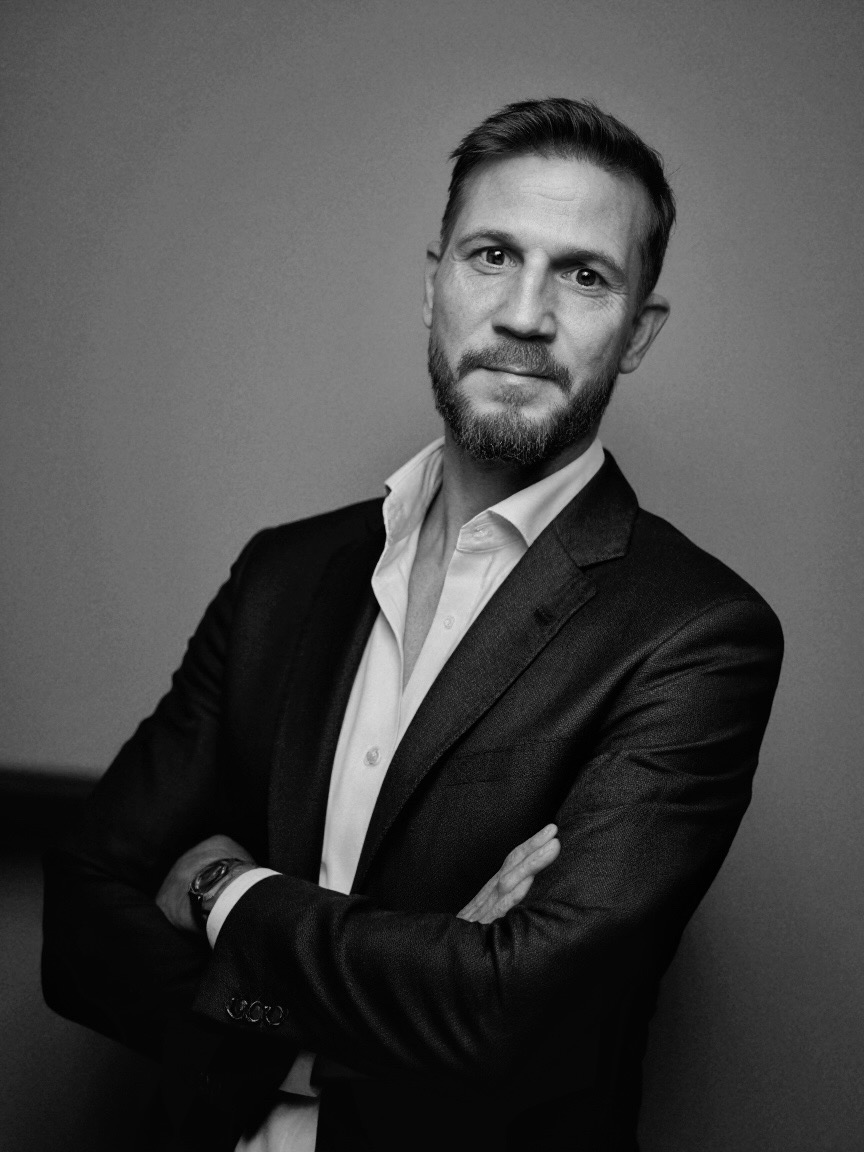
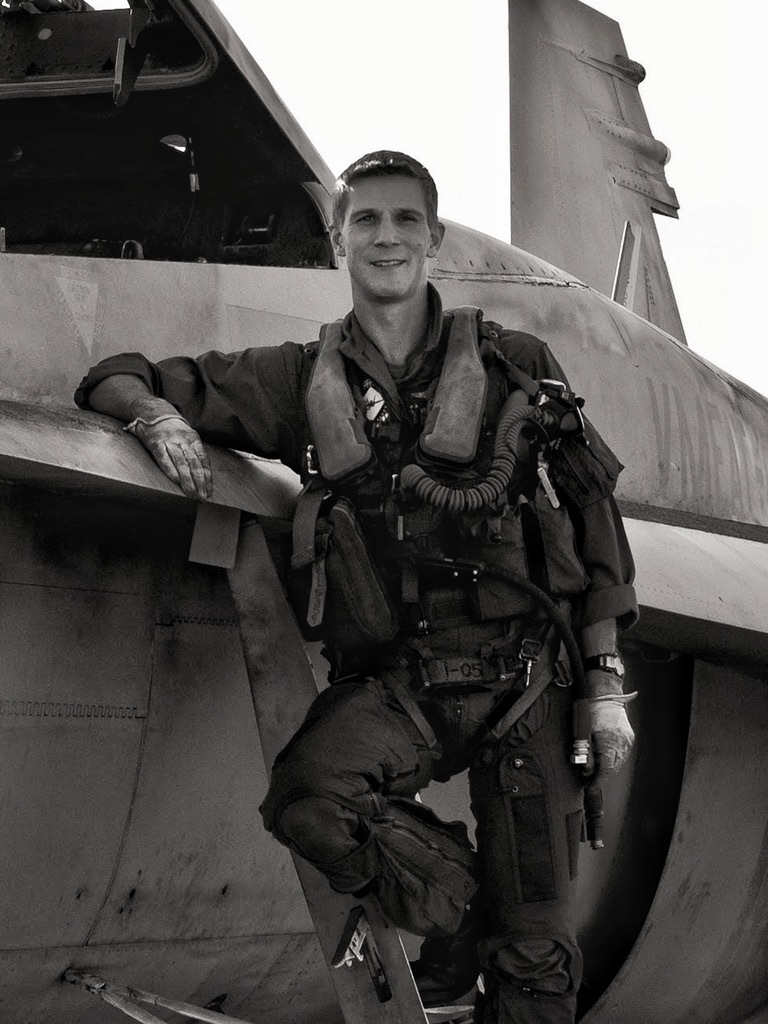
Sixteen years of fast-jet operations taught me how to move when the answer isn’t obvious.

You've probably been sitting on a decision longer than you wanted to.
The kind that follows you around every day.
You research.
You ask people you trust.
You run through every scenario.
And somehow you're still in the same place.
Not because you don't care.
Because you care so much the thinking never stops.
More information.
More opinions.
More what-ifs.
Eventually it all becomes noise.
But decisiveness doesn't come from analysing harder.
It comes from compressing the decision.
That's what fighter pilots learn very quickly.
In the cockpit the situation is moving whether you are or not.
I built a system around the three instincts that kept me alive in the cockpit, and kept working across 12 years of running large-scale operations.
It takes 15 minutes. It's free. And you'll leave with a move, a commitment, and a downside you can live with.

-
A guided worksheet with space to write: you apply it to your actual decision as you go
-
A worked example showing exactly how the method plays out on a real career decision
-
The exact system that replaces hesitation with a trained instinct to act
In fast-jet operations, not deciding is a decision.
Two aircraft close at roughly 40 kilometres a minute.
There is no pause button.
Every second of hesitation is itself an action.
That environment removes indecision.
What it builds instead is something different: decisive instincts.
Not courage. Not confidence. Trained instincts that produce action.
When I left the RAF, the environment changed. The pressure didn't.
Running 24/7 operations at Dubai airport. Leading teams across 17 countries. Sitting in crisis rooms making calls nobody wanted to make.
The decisions looked different. The mechanics were the same.
Incomplete information. Real consequences. No perfect answer.
And the same instincts kept working.
Years RAF fast-jet operations
Staff under operational leadership
Countries of operations
Budgets accountable for
Career Decision - Mark
Mark had a job offer in a different country. Big change. Everything uncertain. He'd been stuck for weeks.
One question broke it open: what does good actually look like for you and your family?
Turns out he already knew. Long-term in Dubai wasn't it. He just hadn't said it out loud.
Then we named the worst case. The risk he'd been staring at for weeks was far smaller than the fear around it.
Mark took the job. Five years later, he's still there.

Leadership Decision - Tom
Tom was six months into his first big leadership role. Two teams overlapping, one manager too many. Stuck for two months.
We stepped back from the org chart and asked: what are you actually trying to build?
Clear accountability. Great client experience. A team that works.
Once that was clear, an option appeared he hadn't seen before. He made the call that week.
His reaction: "I've been losing sleep over this for two months."

Life Decision - Mabel
Mabel worked in hospitality in Abu Dhabi.
She wasn't happy. Friends said cabin crew. Parents said business school.
Too many opinions, no decision.
One question: what does a good job actually look like for you? Growth. Skills that compound. Freedom to choose where she lives.
Two options dropped away immediately. What opened up was business school.
\And the interesting part? Researching programmes costs nothing. Talking to alumni costs nothing.
She didn't have to decide everything. She just had to start moving.

You leave with a move, a commitment, and a downside you can live with.
The framework is free. It takes 15 minutes.
Smart people ask before they say yes.
Yes. No credit card. No trial period. You give me your email, I send you the framework. That's the whole transaction.
A live 90-minute online session where we work through the 3 moves in real time. Real decisions, real pressure, real people working through something they're actually stuck on. It goes deeper than the framework doc. Dates and pricing coming soon. Everyone on the list gets first access.
Priced to be a no-brainer. Think less than a dinner out. The goal is to get the framework into the hands of people who actually need it, not to charge what the market will bear.
15 minutes if you focus. Maybe 20 if the decision is genuinely complicated. You'll need a pen and something to write on. It's a working document, not a read.
If the decision matters and you're stuck, yes. Career moves, leadership calls, business pivots, life changes. The framework doesn't care what the decision is. It cares that you're going in circles and need to stop.
Most frameworks are built for calm, rational environments. This one was built for adversarial ones, where the situation is actively working against you. That's a different problem. Different tool.
No. The cockpit doesn't care about your job title. Neither does a hard decision. The framework works for anyone who's facing something genuinely difficult and needs to move.
Yes. The free framework leads to the paid masterclass. That's the model and it's not a secret. The framework delivers real value on its own. Take it, use it, see what shifts. The masterclass is there if you want to go further.
It's free and it takes 15 minutes. The downside is small. But if you run through it and it doesn't shift anything, email me directly. I'd genuinely like to know.
Because the cockpit is the highest-pressure decision environment there is. No time. Incomplete information. Real consequences. 16 years of that gets wired in. Then 12 years applying it at scale in business confirmed it transfers. You don't have to trust me. Run the framework and judge it yourself.
Wingman Executive
WINGMAN
/ˈwɪŋmən/ noun
A pilot who flies alongside and protects the lead aircraft. The person who has your back when it matters most.
PRIVACY POLICY
TERMS & CONDITIONS
© Copyright 2026 WINGMAN EXECUTIVE. All Rights Reserved.